Security 51 Spotting Anomalies
When the paperwork is perfect but the person is wrong.
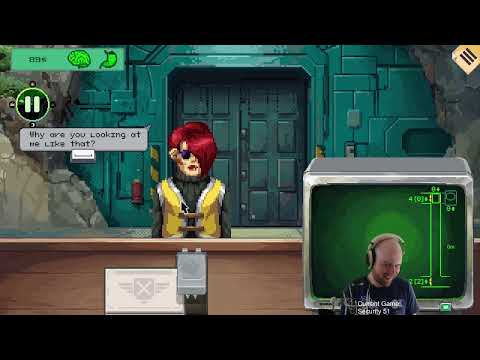
Perfect documents are Security 51’s favorite disguise. Alawar trains you on passports first, then asks you to trust your eyes when names, numbers, and photos align while something about the visitor is off. Anomaly spotting is the skill of catching external tells — rashes, swelling, slurred speech, wrong gait, evasive answers — before you have X-ray or blood tests to confirm what your instincts already know.
This guide complements Document Verification. Run both every shift: ink checks first, body checks second, elevator math third via Elevator Headcount. If you are new, read Getting Started for bulletin flow before diving into horror tells.
External body anomalies
Early shifts emphasize visible defects. Look at skin before you look at stamps:
- Rashes and discoloration — patchy redness, vein patterns that do not match human norms, sudden pallor when they think you are not watching.
- Swelling — neck, jaw, or hands enlarged asymmetrically; collars straining on staff who looked normal yesterday.
- Posture and gait — stiff movement, joints bending wrong, standing too still while eyes track you.
- Eyes and face — dilated pupils at odd hours, blink rates that feel rehearsed, smiles that never reach the rest of the face.
Deny or escalate per bulletin. Some days behavior alone is insufficient without document mismatch; other days slurred speech mandates quarantine even when IDs match. Quarantine Protocol explains when detention beats a hard deny.
Speech and interview traps
Visitors answer scripted questions: purpose of visit, floor requested, escort names. Anomalies slip through with rehearsed lines but fail on detail — wrong department, mispronounced colleague names, answers that lag behind the question.
Slurred speech is a standout tell. A researcher who spoke clearly yesterday may drag vowels today while papers still show valid clearance. Pair speech with Fingerprint and Blood Tests once those tools unlock; infection and duplication often precede biometric failure.
Do not mock visitors aloud; sanity already punishes stress. Buy food between shifts per Sanity and Supplies so you can focus on voices without tunnel vision.
Behavior versus protocol
Protocol says stand here, look left, present pass. Anomalies break ritual: stepping past markers, reaching for the elevator button before you approve, glancing at the shaft like they hear something you cannot.
“Too perfect” behavior also counts — excessive politeness, over-thanking, smiling through instructions meant to annoy. Combine behavioral flags with document scrutiny from Document Verification. One flag might be fatigue; three flags is a pattern.
When X-ray replaces guesswork
X-Ray Scanning unlocks mid progression. Until then, external tells are your best weapon. After unlock, use X-ray when bulletins demand it or when body flags stack but paperwork is clean. Silhouettes reveal contraband, hollow cavities, and shapes that should not fit inside a uniform.
Remember photo-match traps: instructions may say allow valid documents even when photos fail. Behavioral anomalies can still justify deny or quarantine when bulletins list infection watch rules.
Duplication and elevator contradictions
Some anomalies are not visible on skin. An employee you cleared to leave may return from below minutes later with identical papers — a logic anomaly, not a rash. Cross-check Elevator Headcount logs when behavior feels familiar. Cameras that show an empty car opening with a occupant are related horrors; behavior guides do not replace counting.
Practice path
- Demo early shifts — Demo vs Full Game lists coverage limits.
- Early Shifts Walkthrough for day-by-day flags.
- Verification Checklist — includes anomaly line items.
- Late game: biometrics and quarantine for confirmed threats.
Compare tone with Security 51 vs Papers, Please — Lucas Pope rarely asks you to quarantine a coworker because their neck swelled between shifts. Here, spotting anomalies is survival, not flavor. The elevator remembers who you let through when you chose to ignore a rash because the stamp was pretty.
Frequently Asked Questions
Quick answers to the most common questions.
What counts as an anomaly in Security 51?
Visible rashes, swelling, slurred speech, odd posture, evasive answers, and behavior that breaks checkpoint protocol — especially when documents look valid.
Can I deny someone with perfect documents?
Yes when bulletins authorize behavioral or medical denies, or when quarantine rules apply. Follow daily instructions over habit.
When does X-ray replace visual checks?
X-ray supplements, not replaces, visual screening. Use it after unlock when bulletins require scans or when body flags stack without document mismatches.
Why does slurred speech matter?
It often signals infection or duplication events before biometrics fail. Pair speech checks with fingerprint and blood tests when available.
How do anomalies tie to elevator events?
Duplicate staff and empty-camera arrivals are logical anomalies. Cross-check headcount logs when a visitor feels familiar or impossible.